Generative Engine Optimization, or GEO, helps your brand appear in answers from AI tools. It goes beyond traditional SEO by focusing on clear, high-quality content and authority. GEO matters because it keeps your brand visible as people now rely more on AI search.
The digital world is changing fast. Especially after the arrival of AI tools such as ChatGPT, Gemini, Claude, and Perplexity, people want direct answers to their search queries instead of a list of links. That is the major reason why Generative Engine Optimization (GEO) was introduced. Generally, GEO will play a key role in making content or a brand visible in the AI-generated answers. It is more than just a trend and represents a new way to optimize content for the AI era. If you are curious to learn more about GEO, read this blog. Here, we have explained what GEO is, how it is different from traditional SEO, how it ranks, and the benefits it can bring to a brand in the age of artificial intelligence.
GEO is about optimizing your brand or content so it can appear in answers from AI-powered search tools. It goes beyond simply ranking in traditional search results. Typically, to make this work, you need to create content that is clear, high-quality, and trustworthy. For example, if you run a website about healthy eating, writing a well-structured article on “How to Boost Immunity Naturally” could be included in an AI-generated answer when someone asks, “What are natural ways to improve immunity?” Remember, optimizing content in this way will have a much better chance of being cited by AI tools.
Traditional SEO focuses on getting your website to rank higher in search results. GEO, on the other hand, focuses on making your content appear in answers provided by AI tools. Usually, knowing the differences between GEO and SEO will help you understand how you need to change your strategy for the AI-driven world.
Here, let us look at how GEO differs from traditional SEO
| Generative Engine Optimization (GEO) | Traditional Search Engine Optimization (SEO) |
| The main goal of GEO is to get your content cited or included in answers from AI tools. | The main goal of traditional SEO is to rank high on search engine results so users click your link. |
| GEO focuses on making content clear, structured, authoritative, and properly cited so AI can use it. | Traditional SEO focuses on using keywords, building backlinks, improving page rank, and optimizing metadata. |
| GEO uses well-structured content, such as FAQ style answers with metadata, so AI tools can understand and include it. | Traditional SEO uses web pages that are designed to be easily read and indexed by search engines. |
| It targets natural, conversational questions, for example, “What are the best running shoes for marathon training?” | It targets short or medium keyword searches, for example, “best running shoes.” |
| GEO measures success by how often AI cites your content, visibility in AI-generated answers, brand mentions, and overall exposure in AI tools. | Traditional SEO measures success by page rankings, organic clicks, website traffic, and conversions. |
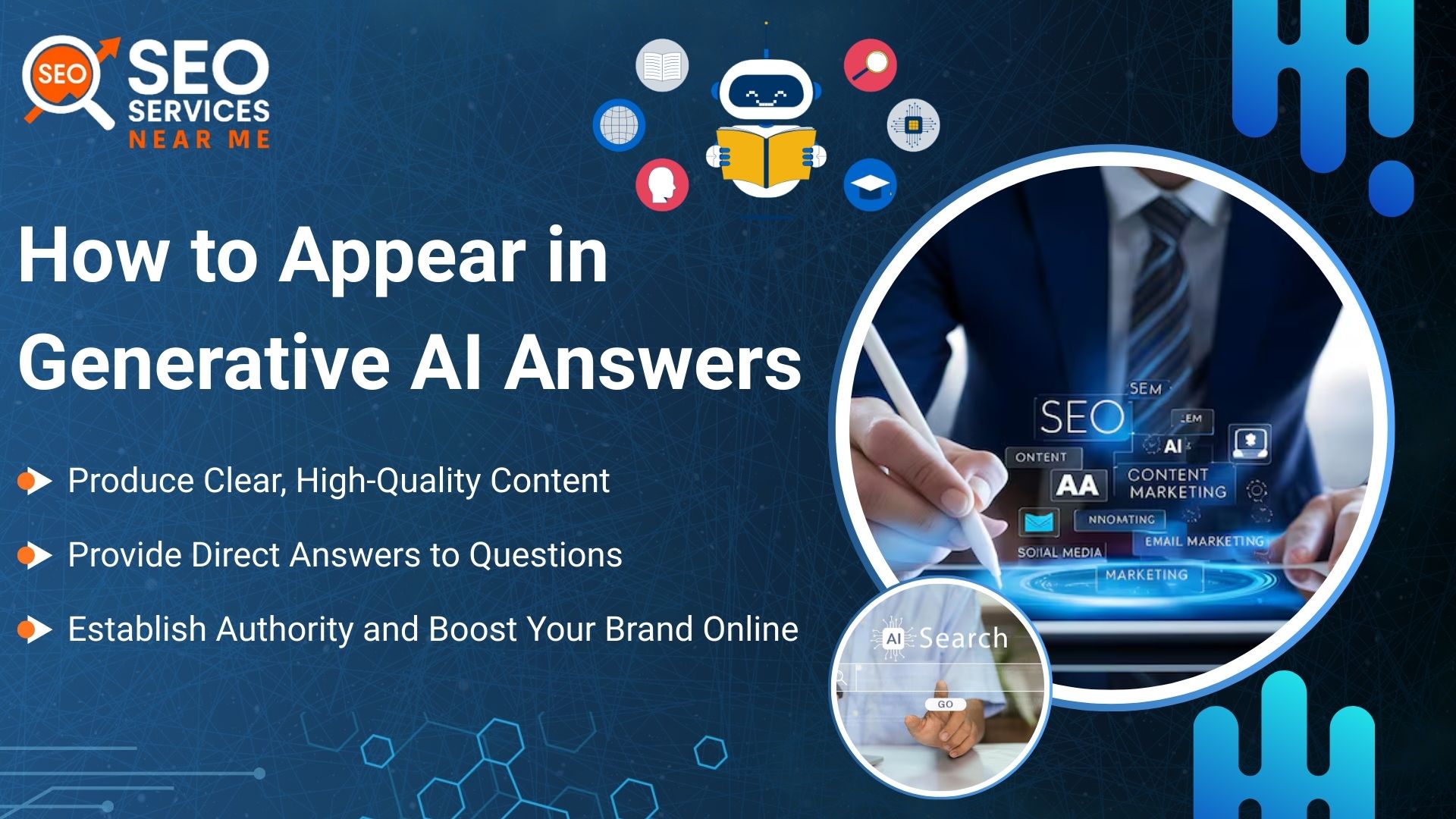
If you want your content to work well for generative AI engines, then follow these GEO strategies
Usually, AI tools prefer content that is written by experts and clearly answers questions. If you want your content to rank in generative search engines, then organize it with headings and subheadings. Also, structure your content effectively in a proper format so LLMs can easily understand it. Most importantly, when preparing the content, you should focus on being thorough, accurate, and helpful instead of adding unnecessary filler.
Many people ask AI tools direct questions, so you can get your content cited by answering those questions clearly. If you want to do this, think in an FAQ style and consider what a user wants to know. Then provide a short, accurate, and authoritative answer. Usually, this approach mirrors how featured snippets work in traditional SEO, but it targets AI-powered answer engines instead of regular search results.
Similar to how backlinks boost traditional SEO, mentions on trusted, high-quality websites boost your GEO efforts. Generally, when AI tools generate answers, they pull information from multiple sources. Therefore, being cited on reputable sites increases your chances of inclusion. Additionally, you can test which sources AI tools use by asking common questions and observing which pages they reference. If a site appears repeatedly, it shows where you should focus your efforts.
Generative Engine Optimization offers several advantages for your content and brand in the age of AI. These are some of the key benefits of GEO
As AI-powered search becomes more common, now is a great opportunity for brands to get ahead with GEO. Moreover, AI-generated answers cite only a limited number of sources, so brands face strong competition to be included.
If you wait too long, your content might be overlooked. As more people rely on AI tools for answers, AI may overlook your site if you have not optimized it for this new type of search. GEO is not just a trend; it is a practical way to adjust to changing user behavior.
By producing structured, high-quality, and authoritative content and sharing it across the web, you ensure the digital presence of your brand remains strong. No matter whether people click a link or ask an AI, your brand will stay visible and easy to find.
The way people search online is changing. In the past, brands gained visibility by ranking high on Google or Bing. Now, AI tools cite your content and mention your brand in concise, conversational answers, and that determines what people see. Generative Engine Optimization, or GEO, helps you achieve this. By creating structured, high-quality content, answering questions clearly, and building authority across the web, you can position your brand to succeed in the AI-first world. Utilize our AI SEO Services if you want to implement SEO or GEO on your website. We will provide proven strategies that help your brand become a trusted source in the next generation of online discovery.